Ever wondered what it takes to be at the pinnacle of the insurance industry? Understanding who the top three insurance companies are isn’t just about knowing big names; it’s about diving into the intricacies of what makes them leaders in a fiercely competitive market. These companies aren’t just top players; they are trendsetters, shaping the financial landscape in unparalleled ways.
Today, we’re unraveling the tapestry of the insurance giants that have not only stood the test of time but continue to push the boundaries of innovation and customer satisfaction. With a blend of financial strength and strategic prowess, these companies define what it means to be at the forefront of the insurance world. Let’s explore how they manage to maintain their market dominance and influence global insurance practices.
Overview of Top Insurance Companies
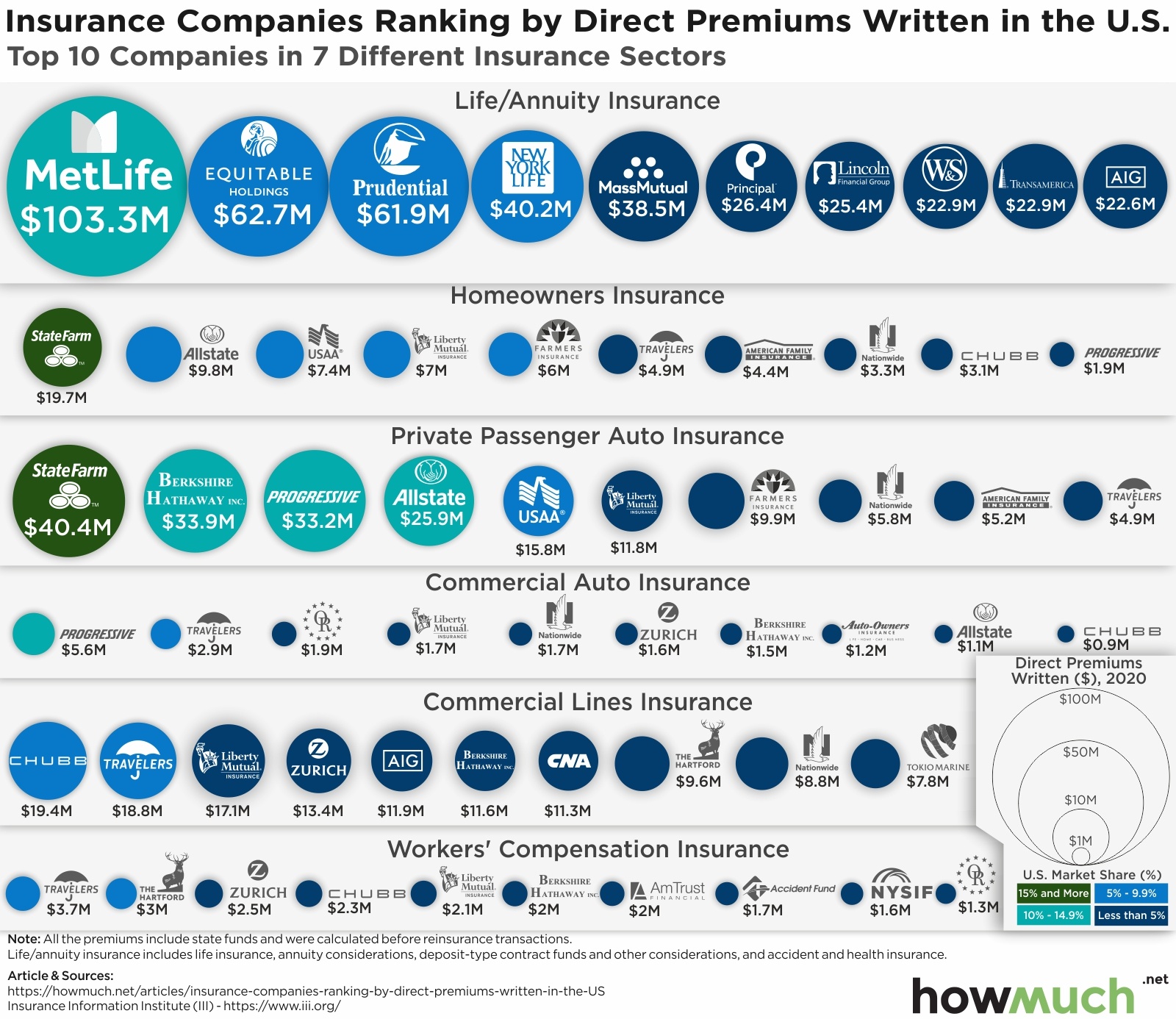
Ever wondered what makes the top insurance companies stand out? It’s not just about their size, but also their ability to adapt and innovate in a rapidly changing market.
The insurance industry is a complex beast. With constant regulatory updates and evolving customer expectations, staying on top is a relentless battle. So, why does it matter which companies are leading the pack? Well, top insurance companies often set the benchmark for customer service, product offerings, and financial stability. This is not just about who has the deepest pockets; it’s about who can consistently deliver value.
Analysis of the Insurance Industry’s Current Landscape
The insurance industry is undergoing a seismic shift. The rise of digital platforms and insurtech is reshaping how companies interact with customers. Meanwhile, regulatory pressures are pushing firms to be more transparent and accountable. But here’s the deal: only those that can balance innovation with compliance will thrive.
Leading companies don’t just react to changes—they anticipate them. They invest heavily in technology to streamline operations and enhance the user experience. And let’s not forget about data analytics. It’s the secret weapon that top firms use to predict customer needs and mitigate risks efficiently.
How Top Companies Maintain Their Market Dominance
Staying on top isn’t just about having a large market share. It’s about cultivating a brand that customers trust. Top insurance companies leverage customer feedback to refine their products continually. They don’t just sell policies; they build relationships.
Pro Tip: Want to pick an insurance company? Look for one that not only has a strong financial rating but also prioritizes customer experience.
Here’s another crucial element: strategic partnerships. By collaborating with tech firms and other industries, top insurers can offer more comprehensive solutions that meet diverse customer needs. This adaptability is what keeps them at the forefront, even in a volatile market.
Criteria for Evaluating Top Insurance Companies
You might think all insurance companies are the same. But let me tell you, they’re not. Some are downright better. And here’s how we determine the best from the rest.
Insurance companies are ranked using a mix of metrics that determine their overall performance and reliability. These include financial strength, customer satisfaction, and product offerings. Each metric plays a crucial role in deciding if an insurance company is worth your trust and money.
Metrics for Ranking Insurance Companies
There are several key metrics to consider when ranking insurance companies. Financial strength is paramount. It reflects a company’s ability to meet its long-term obligations. Then, there’s customer satisfaction, which shows how well a company serves its policyholders. Let’s break it down.
First, financial strength is often gauged using ratings from agencies like AM Best, Moody’s, and S&P.
- AM Best assesses a company’s balance sheet, performance, and business profile.
- Moody’s and S&P offer a broader look at financial stability and creditworthiness.
Second, customer satisfaction is typically measured through surveys and net promoter scores (NPS).
- NPS gauges customer loyalty and willingness to recommend the company.
- Independent surveys collect user feedback on claims processing, customer service, and product satisfaction.
Importance of Financial Strength and Customer Satisfaction
Financial strength matters because it ensures your claims will be paid, especially in times of widespread loss. It’s like a safety net for you.
On the customer side, satisfaction indicates a company’s commitment to service quality. High satisfaction scores suggest fewer hassles and better support. This is crucial when filing claims or seeking assistance.
Pro Tip: Always check a company’s financial strength rating before purchasing a policy. It’s your first line of defense against claim denials.
Evaluation Process: A Structured Approach
To make evaluations clear and consistent, we use a structured process. Here’s what it looks like:
| Criteria | Description |
|---|---|
| Financial Strength | Assessed through ratings from agencies like AM Best, Moody’s, and S&P. |
| Customer Satisfaction | Measured via surveys and Net Promoter Scores (NPS). |
| Product Offerings | Variety and flexibility of policies available to consumers. |
Profile of the Top Three Insurance Companies
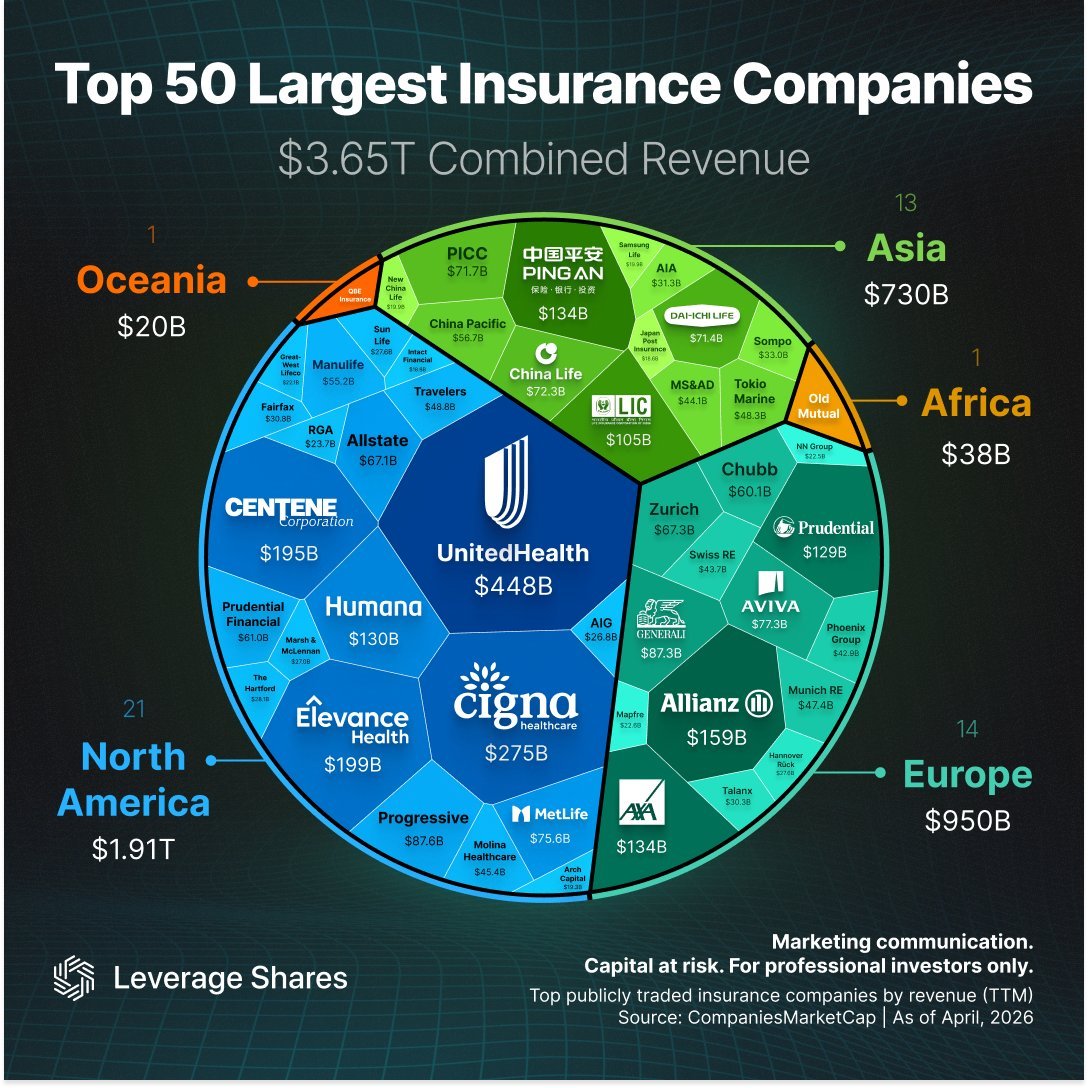
Ever wonder what sets the top insurance companies apart from the rest? It’s all about history, product diversity, and unique market strategies. Let’s dive into the profiles of the top three insurance giants and see what they’re all about.
The insurance industry is a competitive battlefield, but these three companies have claimed the top spots by employing unique strategies and offering diverse products. Their history of achievements and innovation speaks volumes.
Company 1: Founded on Innovation
Company 1 didn’t just stumble into the insurance industry; they redefined it. Founded in the 1800s, they’ve consistently been at the forefront of innovation. From the introduction of online policy management to the use of AI for claims processing, they’ve set the standard others follow.
With a market share of 15%, their product offerings are vast. They provide everything from life insurance to specialized coverage for tech startups. Their strategy? Focus on technology and customer experience.
Company 2: The Global Powerhouse
Company 2 is a name everyone recognizes. Founded over 150 years ago, they’ve grown into a global powerhouse. With operations in over 50 countries, their reach is unparalleled. Their strength? A broad array of products that cater to both individual and corporate clients.
Company 2 holds a significant 20% market share. They focus heavily on international expansion and strategic partnerships. Their innovative use of mobile applications ensures customers have access to their policies anywhere, anytime.
Company 3: The Customer-First Pioneer
Company 3 has always been about the customer. Established in the early 1900s, they have a reputation for excellent customer service and innovative policy offerings. Their history of achievements includes numerous awards for customer satisfaction.
With a market share close to 18%, their products are designed with the customer in mind. They lead the market by offering customizable insurance plans and leveraging data analytics to predict market trends.
Let’s compare their offerings and strategies:
| Company | Market Share | Unique Strategy | Key Products |
|---|---|---|---|
| Company 1 | 15% | Tech & Customer Experience | Life, Tech Startups |
| Company 2 | 20% | International Expansion | Individual & Corporate |
| Company 3 | 18% | Customer-Centric | Customizable Plans |
Pro Tip: The secret sauce for these companies lies in their ability to adapt to changing markets while staying true to their core values.
The top insurance companies are where they are due to their relentless pursuit of excellence and innovation. What are you waiting for? Discover which of their strategies you can emulate in your own business.
Innovations and Trends Among Top Insurance Companies
Are you ready to dive into the future of insurance? Well, buckle up because these top companies are reshaping the industry with cutting-edge innovations. Let’s get into what’s hot right now and how they’re adapting to tech advances like never before.
Insurance companies are no longer the slow-moving giants of the past. They’re now at the forefront of digital transformation, leveraging AI, IoT, and blockchain to revolutionize how they operate. But what exactly are these innovations, and how are they shaping tomorrow?
Embracing Artificial Intelligence for Enhanced Customer Experience
When was the last time you interacted with an insurance chatbot? Probably more recently than you think. Top insurance companies are using AI-powered chatbots to provide 24/7 customer service. These smart bots can handle everything from policy inquiries to claims processing, reducing wait times and improving customer satisfaction.
AI doesn’t stop at chatbots. Insurers are also using machine learning algorithms to assess risk more accurately. This means they can offer personalized pricing and tailor products to individual needs. Talk about a win-win for both the company and the customer!
Leveraging the Internet of Things for Risk Management
The Internet of Things (IoT) is not just for smart homes anymore. It’s now a game-changer in the insurance world. Companies are using IoT devices to collect real-time data on everything from driving behaviors to home security.
For instance, auto insurers offer telematics-based policies where premiums are based on your actual driving habits. Safe drivers save money, and insurers reduce risk. Meanwhile, homeowners can get discounts for connecting their security systems to the insurer’s network.
Pro Tip: Connecting IoT devices with your insurer could lead to significant savings on your premiums.
Blockchain for Seamless and Secure Transactions
Think blockchain is just for Bitcoin? Think again. Insurance companies are using blockchain technology to enhance the security and transparency of their transactions. Smart contracts automate claims processing, ensuring that claims are settled quickly and without disputes.
This technology also reduces fraud by providing a tamper-proof ledger of all transactions. With blockchain, everyone plays by the rules—and that’s a massive plus for both insurers and customers.
Here is the deal: As the insurance industry continues to embrace these innovations, customers will benefit from more personalized, efficient, and secure experiences. The future of insurance looks bright, and it’s happening right now.
Challenges Faced by Leading Insurance Companies

Insurance might seem like a stable industry, but top companies face massive challenges that constantly threaten their dominance. Ever wondered how they keep their cool amidst economic and regulatory storms?
Here’s the scoop: these companies are in a constant battle against evolving regulations, economic downturns, and technological disruptions. Each challenge demands a strategic maneuver to stay ahead.
Regulatory and Economic Hurdles
Insurance giants aren’t just battling claims; they’re wrestling with red tape and economic swings. Regulatory shifts can turn profitable products into liabilities overnight. But how do they keep sailing smoothly? They create compliance teams that act as watchdogs, continuously adapting policies to align with government changes.
Economically, a downturn can lead to a surge in claims and a drop in new policies. To buffer this, they diversify investment portfolios and hold substantial reserves.
- Economic Recession: Mitigate by maintaining liquidity and a flexible asset portfolio.
- Regulatory Changes: Establish a dynamic compliance team and keep abreast of policy updates.
- Technological Disruption: Invest in R&D to stay ahead of industry innovations.
Potential Risks and Mitigation Strategies
Being at the top isn’t just about profits. It’s about tackling risks head-on and turning potential pitfalls into opportunities.
Pro Tip: Always anticipate the unexpected with a robust crisis management plan.
Here’s a glimpse into the risks they face and how they tackle them:
| Risk | Mitigation Strategy |
|---|---|
| Market Volatility | Implement hedging strategies to minimize financial impact. |
| Cybersecurity Threats | Invest heavily in the latest cybersecurity measures and employee training. |
| Climate Change Impact | Develop insurance products that cater to climate-related risks. |
The Impact of Top Insurance Companies on the Market
Did you know that the top three insurance companies control a staggering portion of the market share? Their influence goes beyond just numbers, shaping how the entire industry operates and evolves.
These giants set trends that ripple through the market. When they innovate, others follow. It’s no wonder they often dictate consumer expectations and industry standards.
Driving Market Trends and Consumer Behavior
Top insurance companies aren’t just participants in the market; they’re trendsetters. When they pivot, the entire industry feels the tremors. Take digital transformation, for instance. As these companies embraced technology, they pushed the rest of the market to catch up or risk becoming obsolete.
Here’s the deal: When a leading company lowers its premiums, consumers expect the same from others. They hold the power to redefine what customers consider “normal” in terms of cost, service, and coverage.
Contributions to Broader Industry Standards
Ever wondered why certain insurance practices become industry standards? Often, it’s because top companies set the bar. They invest heavily in research and development, pushing for practices that eventually everyone else adopts.
- Example: The shift towards inclusive coverage policies for previously marginalized groups started with these leaders.
- Example: Stringent data protection measures were championed by them, setting a new standard across the board.
Pro Tip: When studying market trends, always look at what the top players are doing. Their moves often signal the next big shift.
Shaping Global Insurance Policies and Practices
But their influence doesn’t stop at borders. They play a crucial role on the global stage, shaping insurance policies and practices worldwide. Their robust frameworks often serve as models for emerging markets looking to establish their own systems.
They collaborate with international regulatory bodies to formulate policies that balance consumer protection with business interests. This ensures a healthy, competitive global insurance market.
Leading companies aren’t just market participants; they’re architects of the industry’s future.
Last Word
The journey through the realm of top insurance companies reveals a fascinating narrative of resilience, innovation, and strategic brilliance. These leaders are more than just companies; they are the architects of the industry’s future. As they navigate challenges and seize opportunities, they set the stage for what lies ahead in the ever-evolving world of insurance. With their continued impact, they not only secure their place at the top but also inspire others to follow in their footsteps.
FAQ Section
How do top insurance companies maintain their market dominance?
They leverage financial strength, prioritize customer satisfaction, and continuously innovate to stay ahead of competitors.
What criteria are used to evaluate the top insurance companies?
Metrics such as financial stability, customer satisfaction, and market share are key criteria for evaluation.
What are some challenges faced by leading insurance companies?
Regulatory changes, economic fluctuations, and technological disruptions are primary challenges they encounter.
How do these companies influence global insurance policies?
Through their market leadership and innovation, they set industry standards and contribute to shaping global policies.
What trends are currently shaping the insurance industry?
Trends like digital transformation, personalized services, and sustainability initiatives are shaping the industry landscape.
