Imagine waking up one morning to find your small business facing an unexpected disaster. It’s not a pleasant thought, right? That’s where the magic of small business insurance swoops in like a superhero. Insurance isn’t just a safety net—it’s the sturdy foundation that keeps your business dreams afloat amidst life’s curveballs.
In the world of small businesses, having the right insurance is like having a powerful shield protecting you from all sorts of risks. Whether it’s safeguarding against lawsuits or covering potential property damage, knowing the ins and outs of small business insurance can make or break your enterprise. So, let’s dive into this crucial topic and arm your business with the protection it needs.
Introduction to Small Business Insurance
Did you know that 40% of small businesses face a claim in their lifetime? It’s true. Without the right insurance, your business could be one bad day away from disaster.
Insurance isn’t just a safety net; it’s essential for protecting your livelihood. Small businesses face unique risks, and the right coverage can mean the difference between a minor hiccup and a catastrophic setback.
Common Types of Small Business Insurance
There are several types of insurance every small business should consider. The most common include general liability, which covers accidents and injuries, and property insurance, safeguarding your physical assets against damage or theft. Then there’s professional liability, crucial for service-oriented businesses to protect against claims of negligence.
But here is the deal: not all businesses need the same coverage. That’s where customized policies come into play. Tailor your insurance to fit the specific needs of your business and industry.
Risks of Operating Without Adequate Insurance
So, what happens if you skip insurance? Let’s just say, it’s not pretty. Without adequate coverage, your business is vulnerable to lawsuits, natural disasters, and other unforeseen events. Imagine a single accident wiping out your entire inventory, or a liability claim draining your finances.
Pro Tip: “Insurance acts as a shield, protecting your business from the unexpected.”
If you think insurance is expensive, consider the cost of a lawsuit or the loss of valuable assets. Don’t let your business become a statistic. Protect it with the right coverage today.
Types of Small Business Insurance Coverage
Did you know that 40% of small businesses never reopen after a disaster? That’s why having the right insurance coverage is crucial. But which ones do you really need?
Here is the deal: there are several types of small business insurance, each offering unique protections. Whether you’re a tech startup, a corner café, or a home-based freelancer, the right coverage can mean the difference between bouncing back or closing shop.
General Liability Insurance
Every business needs protection against claims of bodily injury or property damage. General liability insurance covers legal fees, settlements, and medical costs. This type of coverage is a must-have if you interact with customers or clients in any physical way.
Professional Liability Insurance
If you provide professional services or advice, this coverage is non-negotiable. Professional liability insurance, also known as errors and omissions (E&O) insurance, protects against lawsuits from unsatisfied clients. Pro Tip: Even if you’ve never been sued, having this coverage builds trust with potential clients.
Property Insurance
Own a brick-and-mortar store? You need property insurance. This covers damage to your building and its contents from events like fires or theft. Without it, one disaster could wipe out everything you’ve built.
Here’s a quick comparison of these coverage types:
| Coverage Type | Benefits | Examples |
|---|---|---|
| General Liability | Protects against lawsuits for injury/property damage | Slip and fall accidents in a store |
| Professional Liability | Covers against negligence claims | Client sues for project errors |
| Property Insurance | Covers physical assets | Fire damages office equipment |
Industry-Specific Insurance
Each industry has unique risks that require special coverage. For example, restaurants need food contamination coverage, while IT companies require cyber liability insurance. Tailor your insurance to fit your industry’s specific needs.
Choosing the Right Insurance for Your Small Business
Did you know that 40% of small businesses lack adequate insurance? This can lead to disastrous consequences. But how do you choose the right insurance for your business?
Here’s the deal: choosing the right insurance is more than just ticking a checkbox. It’s about aligning your coverage with your business needs, protecting your assets, and ensuring peace of mind. Let’s dive into the strategies you can use to make the best decision.
Strategies for Selecting the Appropriate Insurance Coverage
First, assess your risks. What are the most significant threats to your business? If you’re in retail, product liability might be crucial. In tech, cyber coverage could be a priority. Step #1: make a list of potential risks and rank them. Step #2: identify policies that specifically cover those risks. Pro Tip:
Always consider combining policies for bundled deals. This can save you money and simplify management.
Finally, consult with an insurance broker who understands your industry.
Comparing the Benefits of Various Insurance Providers and Policies
Not all insurance providers are created equal. Some excel in customer service, while others offer lower premiums. Check this out:
| Provider | Strength | Weakness |
|---|---|---|
| Provider A | Low premiums, flexible policies | Average customer service |
| Provider B | Excellent customer support | Higher premiums |
| Provider C | Comprehensive coverage options | Limited in certain regions |
Compare these aspects and see which one aligns best with your business values. Step #3: evaluate the client reviews for each provider to understand their real-world performance.
Identifying Key Factors to Consider When Choosing Insurance
When you’re ready to choose, consider these key factors: coverage limits, exclusions, and deductibles. Coverage limits dictate how much your insurer will pay; make sure it’s adequate. Exclusions are situations not covered by your policy—know them well. Deductibles are what you pay out-of-pocket before insurance kicks in; higher deductibles typically mean lower premiums. Remember, it’s not just about price, it’s about value.
Cost Factors and Budgeting for Small Business Insurance
Ever wonder why your small business insurance costs so much? You’re not alone. Many business owners struggle to make sense of their insurance expenses.
The truth is, several elements play a role in how much you pay. From the type of business you run to the level of risk associated with it, each factor can significantly impact your insurance costs. And here’s the kicker: you could be paying more than you need to.
Key Factors Influencing Insurance Costs
Insurance costs can feel like a black box. But here’s the deal: understanding the key factors can demystify the process. The industry your business operates in is a biggie. High-risk industries, like construction, typically pay more. Then there’s your business’s location. If you’re in an area prone to natural disasters, expect higher rates. Employee count also matters. More employees equal more exposure to risk. Finally, your coverage limits and deductibles will tweak your cost up or down.
Creating a Budget for Insurance Expenses
Let’s face it: budgeting for insurance can be daunting. The good news? It’s not rocket science. Start by listing all your necessary coverage types. Include liability, property, and workers’ compensation if needed. Research the average costs in your industry. This gives you a ballpark figure to work with. Track your premium payments and reassess them annually. This way, you won’t get blindsided by sudden hikes.
Pro Tip: Review your coverage annually to find unnecessary expenses you can trim.
Methods to Reduce Insurance Costs Without Sacrificing Coverage
It sounds like a dream, right? Cutting costs without losing protection. Here’s how you do it. First, consider raising your deductibles. This can lower your premiums significantly. Next, bundle your policies. Many providers offer discounts if you combine different types of coverage. Conduct regular risk assessments. This helps identify areas where you can enhance safety measures and potentially lower costs. Finally, shop around. Don’t just renew with your current provider blindly. Compare rates and negotiate better terms.
Legal Requirements and Compliance

Did you know that failing to carry the right small business insurance can cost you thousands in fines? Many small business owners overlook the legal obligations tied to insurance, risking severe penalties.
Understanding your legal obligations is not just smart—it’s necessary. Small businesses must adhere to state-specific insurance regulations. These rules are not only about protecting your business but also about staying compliant with laws that vary by region.
Insurance Requirements by State
Each state has its own set of rules when it comes to business insurance. Here’s a snapshot to help you out:
| State | General Liability | Workers’ Compensation | Commercial Auto |
|---|---|---|---|
| California | Required | Mandatory | Required if using vehicles for business |
| Texas | Not Required | Mandatory | Required if using vehicles for business |
| New York | Required | Mandatory | Required if using vehicles for business |
Consequences of Non-Compliance
Think non-compliance is no big deal? Think again. Ignoring these laws can lead to hefty fines, business suspension, or even personal liability. That’s right, you could be personally on the hook for damages if you skimp on the required insurance.
Pro Tip: Stay updated with your state’s insurance mandates. Laws change, and what was compliant last year might not be today.
Here is the deal: The cost of compliance is always cheaper than the cost of getting caught without the proper coverage. Don’t let a simple oversight cause a financial disaster for your business.
Case Studies and Real-world Examples

Imagine waking up one day to find that your small business is underwater—literally. This was the reality for many businesses during Hurricane Sandy in 2012. The difference between those that survived and those that didn’t often came down to one thing: insurance coverage.
In this section, we’ll dive into compelling case studies that highlight the importance of having the right insurance strategy in place. You’ll learn from both the triumphs and failures of other businesses, giving you actionable insights for your own insurance plan.
Effective Insurance Strategies in Action
Meet Sally, the owner of a thriving bakery in downtown Houston. When Hurricane Harvey hit, her shop was damaged, but Sally’s business was back up and running in just a week. How? Sally had invested in a comprehensive business interruption insurance policy. This covered her lost income and the costs needed to repair her shop.
Step #1: Sally didn’t just buy any policy. She worked closely with her insurer to tailor the coverage to her specific needs, which included flood damage.
Pro Tip: Always evaluate risks specific to your location and industry. A one-size-fits-all policy might leave you underinsured.
Lessons from Mistakes: Lack of Insurance
Now, let’s talk about Jake, who ran a small tech startup. Jake skimped on cyber insurance because he thought his security measures were enough. Then, a data breach happened. The legal fees and compensation to clients nearly bankrupted his company.
The cost of not having adequate insurance was far greater than any premiums Jake would have paid. Here is the deal: Skipping on insurance to save a few bucks can end up costing you your entire business.
Success Stories: Comprehensive Coverage to the Rescue
Consider the story of a family-owned restaurant in California. When the pandemic hit, they had to shut down temporarily, but their business owner’s policy included coverage for pandemics. They received compensation for lost income and were able to keep their staff employed and their business afloat.
Step #2: They regularly updated their insurance policy to adapt to new risks, ensuring they had the most relevant coverage.
“Prevention is better than cure.” This age-old saying holds true for business insurance, where proactive coverage can save you from reactive scrambling.
Closure
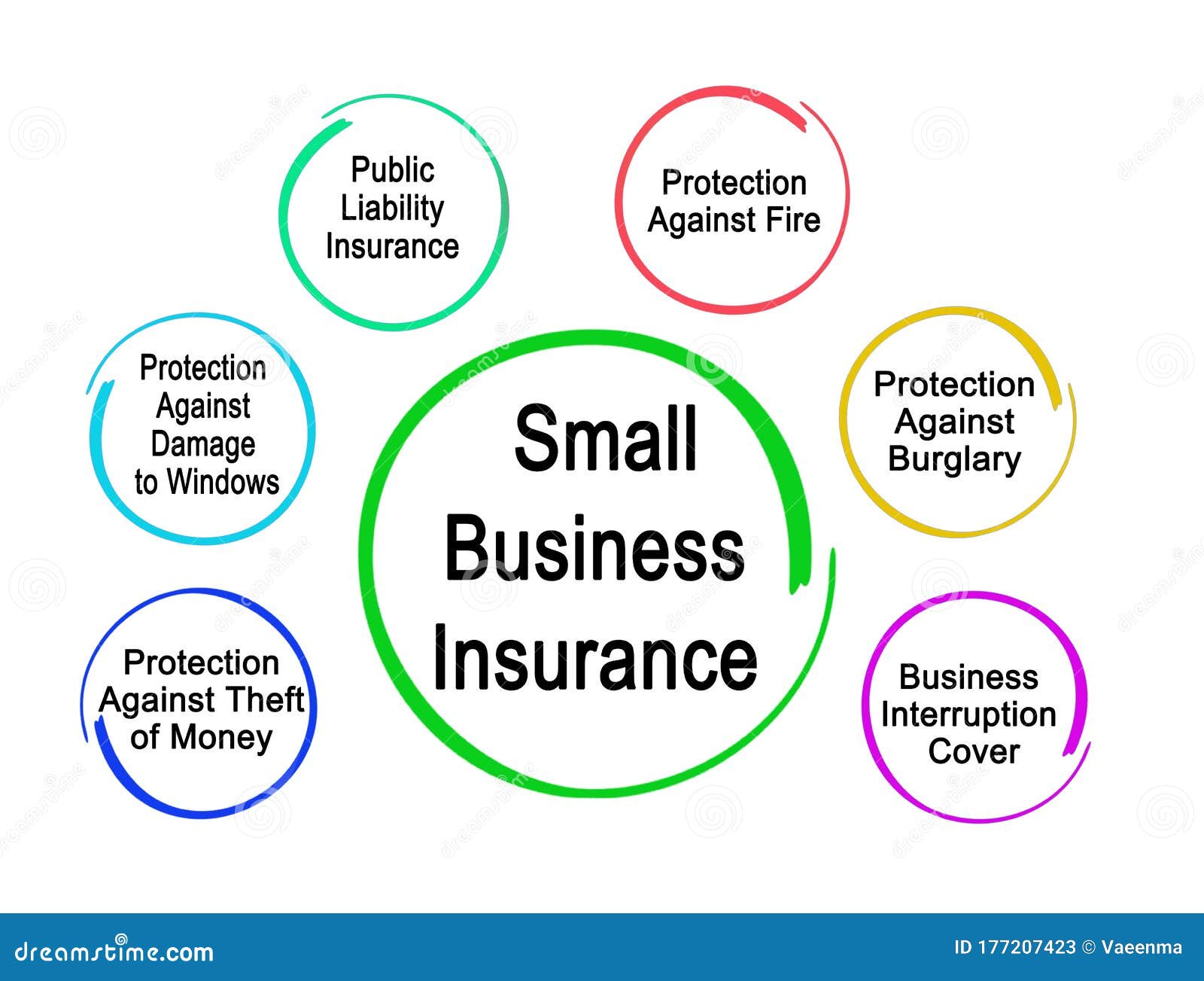
As we wrap up this essential guide on small business insurance, remember: it’s not just about ticking a box. It’s about ensuring the longevity and success of your business. With the right coverage, you’re not just surviving the pitfalls; you’re setting the stage for thriving in the competitive landscape. Choose wisely, invest smartly, and watch your small business soar to new heights with the confidence that only comprehensive insurance can provide.
FAQ Section
Why is insurance important for small businesses?
Insurance is crucial for small businesses because it protects against potential financial losses from accidents, lawsuits, or unforeseen events.
What are the common types of small business insurance?
Common types include general liability insurance, property insurance, and workers’ compensation insurance.
How do I choose the right insurance for my small business?
Consider the specific risks of your industry, compare different providers, and assess your budget to choose suitable coverage.
What factors influence the cost of small business insurance?
Costs are influenced by the type of business, location, coverage limits, and the history of claims made by the business.
What happens if my small business doesn’t comply with insurance laws?
Non-compliance can lead to hefty fines, legal penalties, and potential closure of the business.
